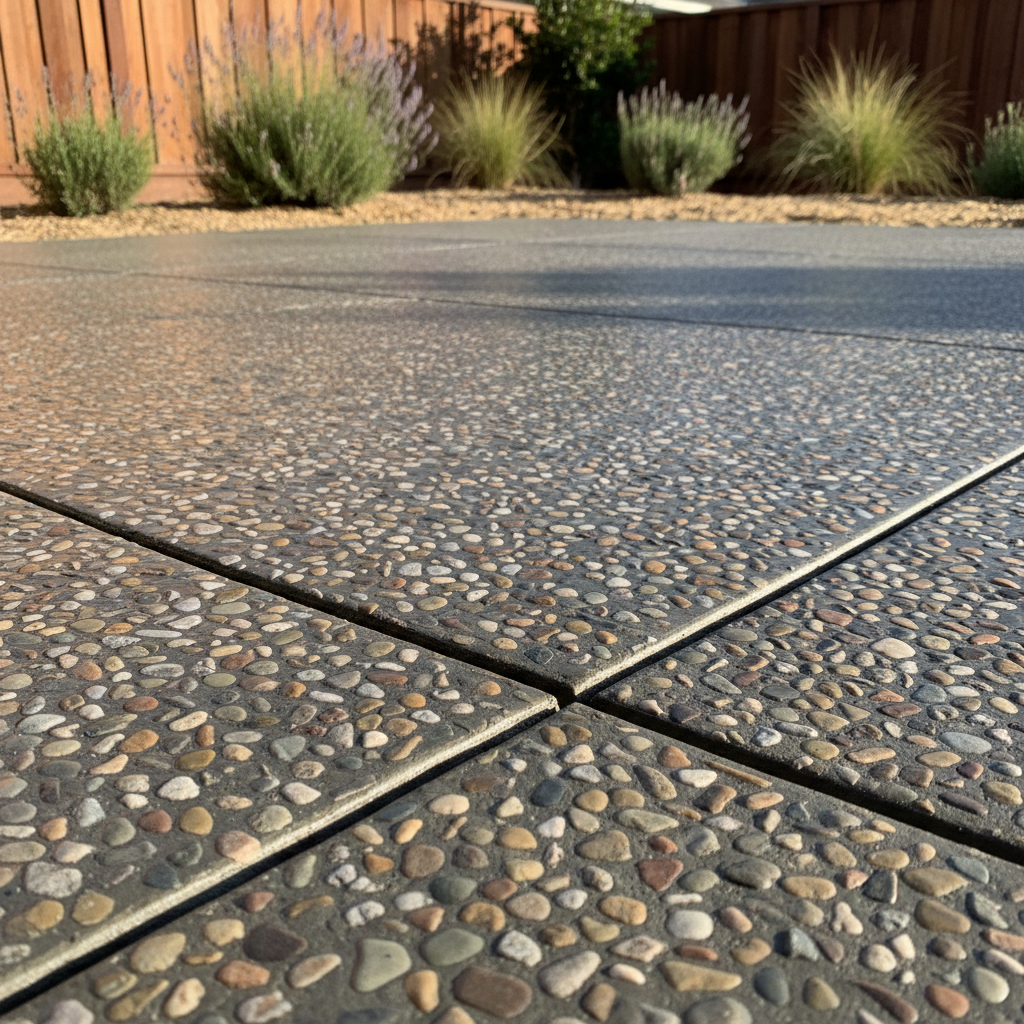
What exactly is "decorative concrete" anyway?
Okay, so when people talk about decorative concrete, they're usually not just talking about a plain gray slab. We mean concrete that's been treated or changed to look like something else entirely, or just to look a whole lot better than regular concrete. It's all about adding color, texture, patterns, or a really nice finish. Think stamped concrete that looks just like flagstone or wood, acid-stained floors with that cool, mottled, earthy vibe, or polished concrete that gleams like granite. It's a way to get durability and low maintenance, but with a custom look that really makes a space pop, whether it's a patio, a driveway, or even an indoor floor.
How long does decorative concrete last, especially with our SF weather?
That's a great question, and it's a big reason why concrete is so popular here. When it's done right, decorative concrete lasts an incredibly long time. We're talking decades, not just a few years. The secret is proper installation, using the right mix, and making sure the base is solid. Here in San Francisco, we deal with plenty of moisture – that persistent fog rolling in, for instance – and while temperature swings aren't as wild as other places, they're still present. A good sealer is super important for protecting those decorative finishes from moisture, UV rays, and just general wear and tear. For outdoor stuff, like a stamped concrete patio in the Sunset District, you'll want to re-seal it every few years to keep it looking its best and stop water from getting in. Indoors? It'll last even longer with hardly any fuss.
Can you really make concrete look like wood or natural stone?
You bet we can, and it's pretty amazing what today's techniques can do. Stamped concrete is our go-to for this. We use big, flexible mats that were actually molded from real natural materials – authentic wood planks, slate, cobblestone, brick, you name it. While the concrete is still wet, we press these mats right into the surface, creating a realistic texture and pattern. Then we add color, often several colors, to copy the natural variations you'd find in real stone or wood. We can even add release agents that give it that cool, antiqued look. It's not just a flat picture; it's a three-dimensional copy. It fools a lot of people, honestly, and it's way more durable and easier to take care of than actual wood or many natural stones, especially for outdoor areas.
Is decorative concrete slippery, especially when wet?
That's a common worry, and it's a fair one, particularly for outdoor spots or places where spills happen. The quick answer is: it depends on the finish, but we can absolutely make it slip-resistant. Polished concrete, for example, can be quite smooth, but even then, we can add anti-slip stuff to the sealer or use special polishing methods to keep some grip. For stamped concrete, the texture itself gives you a good amount of traction. If you're going for a super smooth, high-gloss finish outdoors, or in a busy area like a commercial kitchen, we'll always suggest putting an anti-slip additive into the sealer. It's a small step, but it makes a huge difference for safety, and it doesn't mess up the look.
What's the maintenance like for decorative concrete?
Honestly, it's one of the biggest reasons people choose it. Compared to wood decks that need staining, or pavers that shift and sprout weeds, decorative concrete is pretty low-maintenance. For most applications, especially inside, a simple sweep and an occasional damp mop with a pH-neutral cleaner is all you need. Just avoid harsh chemicals or scratchy cleaners, as those can dull the finish or strip the sealer right off. For outdoor decorative concrete, like a driveway or pathway, you'll want to sweep it regularly to stop dirt from piling up and hose it down every now and then. If you get oil spills or tough stains, a mild detergent and a soft brush usually do the trick. As I mentioned earlier, resealing every few years for outdoor surfaces is the main maintenance task to make sure it lasts and keeps looking fresh. It's not a lot of work for a surface that lasts so long, is it?
Can existing concrete be made decorative, or does it have to be new?
This is where Kingdom Concrete San Francisco really shines, because we do a lot of renovation work. Absolutely, existing concrete can often be totally transformed! It really depends on the condition of the slab that's already there. If it's badly cracked, crumbling, or has major structural problems, then a full replacement might be the best way to go. But if it's generally sound, even with minor cracks or imperfections, we have options. We can grind and polish it, put down an overlay that can then be stamped or stained, or even just clean and stain the existing surface. Overlays are fantastic because they create a fresh canvas, letting us apply new textures and colors. We'll always do a thorough inspection first to see what's possible and what will give you the best, longest-lasting result. Don't just assume you need to tear out that old patio yet.
Why should I choose decorative concrete over other materials?
Look, there are a lot of great materials out there, but decorative concrete offers a unique mix of benefits that's tough to beat. First off, durability. It's concrete, after all; it's tough, it handles heavy use, and it's not going to rot or warp. Then there's how versatile it is. You want it to look like wood? We can do that. You want a sleek, modern, polished floor? We can do that too. The design choices are pretty much endless. Cost-wise, while the initial investment for a really nice decorative finish might be similar to some natural stones, its longevity and low upkeep often make it more affordable in the long run. Plus, it's often more sustainable, especially if we're working with an existing slab. It's a smart choice for a beautiful, long-lasting surface that truly adds value to your San Francisco home.
What's the typical timeline for a decorative concrete project?
That's a tough one to give a single answer for, because it changes a lot based on the project's size and how complicated it is, and whether we're working with new concrete or an existing slab. For a new stamped concrete patio, for example, you've got the prep work, pouring the concrete, the stamping process, and then the curing and sealing. That can easily take a week or two from start to finish, not counting any demolition. If we're doing an overlay and staining an existing floor, the prep work might involve grinding, then putting down the overlay, letting it cure, staining, and sealing. That could be a similar timeline. Polished concrete can also take several days, depending on how many grinding passes we do and the shine you want. We always give you a clear timeline upfront once we've checked out your specific project. We're not going to rush it; good work takes the time it needs.