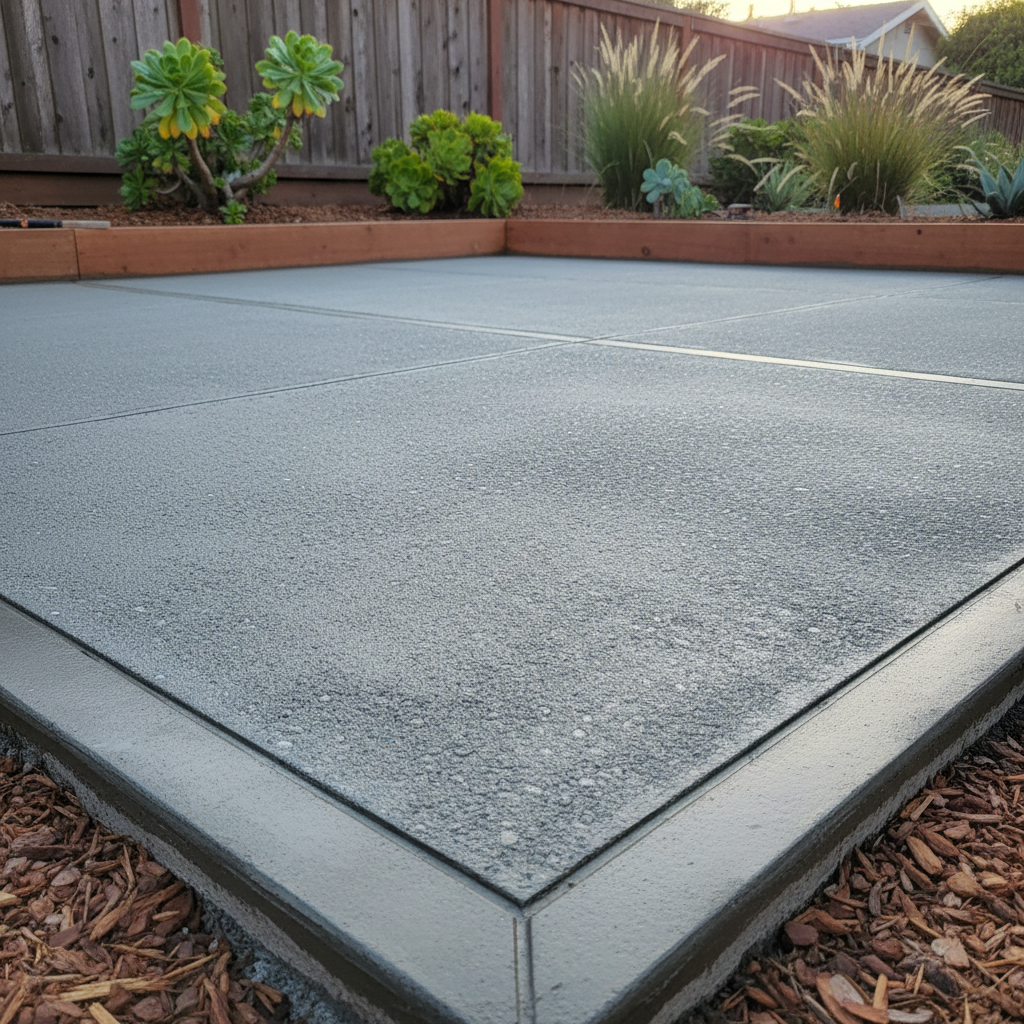
So, you're thinking about pouring some concrete around your place. Maybe a small patio, a new walkway, or patching up some cracks. That's great! Concrete's tough, looks good, and lasts forever if it's done right. But here's the deal: concrete work isn't always as simple as it looks on those weekend warrior shows. There's a lot that goes into it, especially here in San Francisco where we've got hills, tight spaces, and sometimes, some pretty unstable soil to deal with.
Before You Start: Planning & Permits
First things first, what are you actually building? A small, non-structural patch? You're probably good. A new driveway or a retaining wall? You're almost certainly going to need a permit from the city. Don't skip this. Trust me, getting caught without a permit is a headache you don't want. It can mean fines, tearing out work, and a whole lot of stress. Check with the San Francisco Department of Building Inspection (DBI) website or give them a call. They'll tell you what's required for your specific project.
Next, think about the scope. A small, level pad for your BBQ grill? That's probably a DIY job if you're comfortable with some physical labor. A foundation for an addition, or anything that needs to bear significant weight or deal with drainage issues? That's where you start leaning heavily towards calling a professional. We're talking about structural integrity here, not just aesthetics.
During the Project: DIY vs. Pro
Alright, let's say you've decided your project is small enough to tackle yourself. What do you need to know?
- Excavation: You'll need to dig out the area. Make sure you have good drainage and a solid, level base. Compact the soil well. This is crucial. If your base isn't solid, your concrete will crack.
- Forms: You'll need to build sturdy forms to hold the concrete in place. Use lumber that's straight and strong. Secure it well with stakes.
- Reinforcement: For anything larger than a stepping stone, you'll want rebar or wire mesh. This helps prevent cracking. Lay it on chairs so it's in the middle of the slab, not sitting on the ground.
- Mixing & Pouring: For small jobs, you can rent a mixer or buy bags of pre-mix concrete. Follow the instructions carefully. Don't add too much water; it weakens the concrete. Pour it, spread it, and then use a screed (a straight board) to level it off.
- Finishing: This is where it gets tricky. You'll need a bull float to smooth it out, then a hand float, and finally a trowel. The timing is everything. If you work it too early, you'll bring too much water to the surface. Too late, and it's too stiff to work.
Now, when do you call Kingdom Concrete San Francisco? If your project involves:
- Slopes or grades: Getting a consistent slope for drainage or dealing with a hilly lot is tough.
- Large areas: Pouring a big slab means you need a lot of concrete delivered, and you have to work fast before it sets. That's a crew job.
- Structural elements: Foundations, retaining walls, anything supporting weight. This isn't just about looks; it's about safety.
- Complex designs: Stamped concrete, intricate patterns, or custom finishes. These require specialized tools and expertise.
- Access issues: Getting concrete to a backyard in some of our tighter San Francisco neighborhoods, like parts of the Sunset or Richmond, can be a real challenge. We've got the equipment and experience to handle it.
After the Pour: Curing & Care
You've poured it, you've finished it. Now what? Curing is probably the most overlooked part of DIY concrete. You can't just pour it and forget it. Concrete needs moisture to gain strength. For at least the first 7 days, keep it wet. You can spray it with water a few times a day, cover it with plastic sheeting, or use a curing compound. If you let it dry out too fast, it'll be weaker and more prone to cracking.
Once it's cured, concrete is pretty low maintenance. Clean it periodically, and seal it every few years to protect it from stains and the elements. Here in San Francisco, we get our fair share of fog and rain, so a good sealer helps a lot.
Look, I'm all for homeowners getting their hands dirty. For small, non-critical projects, go for it. You'll learn a lot. But for anything significant, anything that affects the structure of your home, or if you just don't have the time or experience, don't hesitate to call in the pros. We do this every day, and we know how to get it right the first time. It'll save you headaches, money, and potentially a lot of re-do work down the line.