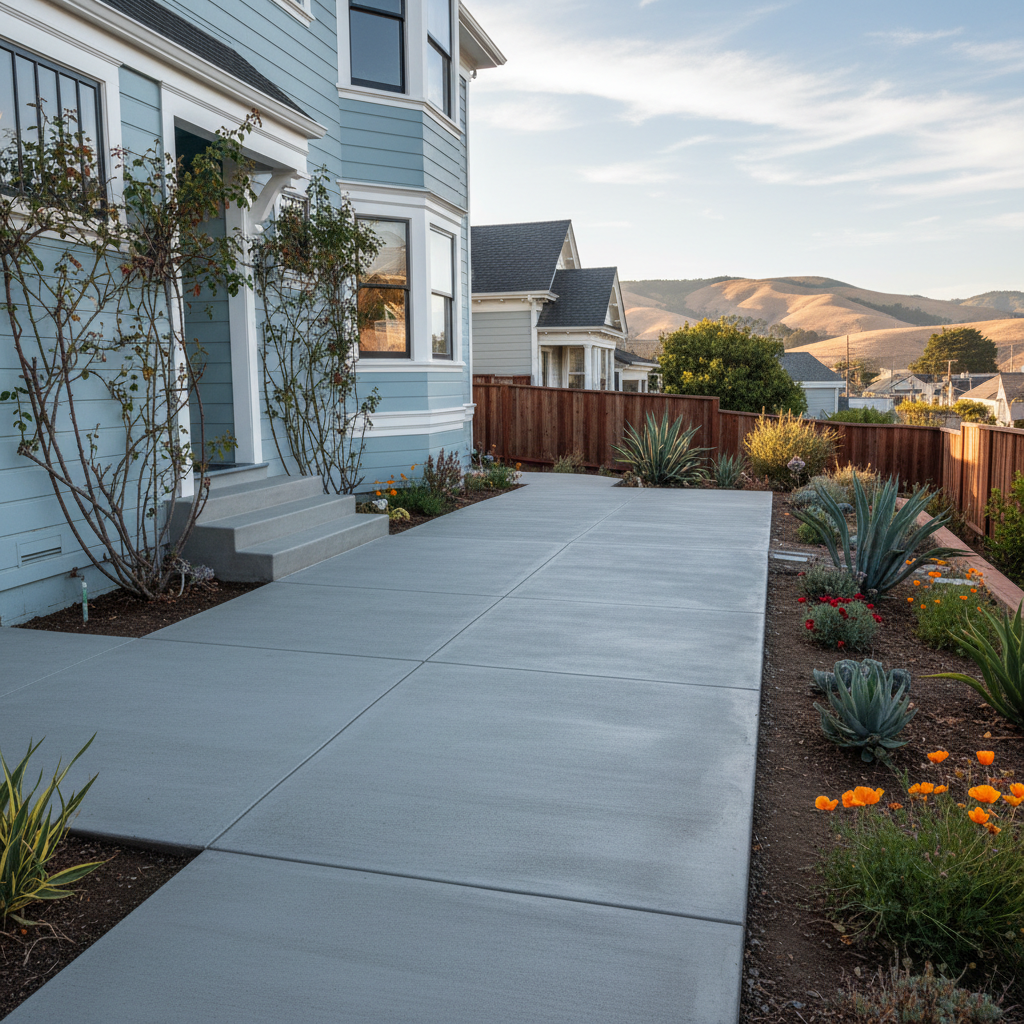
When's the best time to finally fix that cracked patio or crumbling walkway? It's not just about when you've got a free weekend; it really hinges on the weather. Here in San Francisco, our unique climate means getting the timing right is absolutely crucial for concrete work that actually lasts.
Why SF Weather Matters for Concrete
You know how our weather goes, don't you? We get those famous foggy mornings, sometimes a surprise drizzle in July, and then those glorious, dry autumn days. All of that plays a huge role in how concrete cures. Concrete needs pretty specific conditions to set and strengthen correctly. Too hot, too cold, too wet, too dry – any of those can mess up the final product, leaving you with weaker concrete that's more likely to crack sooner rather than later.
The biggest problem? Moisture and big temperature swings while the concrete is curing. If it's too damp, or if the temperature drops too much too fast, the concrete just won't get to its full strength. That's a waste of your hard-earned money and our effort. We want your repairs to be rock-solid for years, not just a few months, you know?
When to Schedule Your Concrete Repairs
Honestly, the sweet spot for concrete work in San Francisco is typically late spring through early fall. Think May, June, July, August, September, and even into October. Why those months?
- Consistent Temperatures: We usually get more stable, moderate temperatures then. Concrete absolutely loves that, allowing for a slow, even cure, which is super important for strength and durability.
- Less Rain: Sure, we might get a surprise shower, but these months generally see way less significant rainfall than the winter. Rain during or right after a pour can dilute the mix, wash away cement, and weaken the surface – definitely not what we want.
- Lower Humidity: Our summer fog can be a factor, but overall humidity tends to be lower than in the deep winter. This really helps with proper drying and curing.
Now, I'm not saying we *can't* do work outside these months. We absolutely can, but it often means we need to take more protective measures. Things like covering the fresh concrete to shield it from unexpected rain or using curing blankets to keep the temperature steady. That adds to the complexity and sometimes the cost. If you can swing it, aiming for those prime months is always your best bet.
What Conditions Affect the Work?
Let's break down the actual conditions we're really watching for:
- Temperature: Ideally, we want air temperatures between 50°F and 80°F during the pour and for several days after. Below 40°F, concrete cures way too slowly, and freezing temperatures can cause serious damage. If it's above 90°F, it can dry too fast, which often leads to surface cracks.
- Moisture: Rain is a definite no-go during a pour. We need dry conditions. After the pour, concrete needs to stay moist for proper curing, but we control that with techniques like wet curing or applying curing compounds, not by letting it get rained on. Too much external water can actually be really bad.
- Wind: High winds can dry out the surface of fresh concrete way too quickly, causing those annoying plastic shrinkage cracks. We'll often set up windbreaks if it's a particularly blustery day, especially out near the ocean in places like the Outer Sunset.
These are the things Kingdom Concrete San Francisco considers every single time we plan a job. We're not just showing up and pouring; we're assessing the whole environment to make sure your repair truly holds up.
Protecting Your Investment Year-Round
Once your concrete repair is finished, you've got to do your part to keep it looking good and lasting a long time. It's not entirely a "set-it-and-forget-it" kind of deal.
- Clean Regularly: Sweep away dirt, leaves, and debris. Pressure wash it occasionally, but don't go crazy with super high pressure, especially on older concrete.
- Seal It: I really can't stress this enough. A good quality sealer applied every few years protects against moisture penetration, stains, and general wear and tear. Think of it like sunscreen for your concrete.
- Address Spills Quickly: Oil, grease, chemicals – clean them up fast before they have a chance to penetrate and stain.
- Watch for Cracks: Small cracks can pop up over time, it's natural. But if you spot new or widening cracks, don't just ignore them. Catching them early can prevent bigger, more expensive problems down the road.
- Drainage: Make sure water drains away from your concrete surfaces and your foundation. Standing water is a concrete killer, truly.
Taking a little care goes a long, long way. You invest in a quality repair, and a little maintenance ensures you get the absolute most out of it. If you've got questions about timing your next concrete project, or what kind of care your existing concrete needs, just give us a shout. We're here to help you keep your property solid.